Mondo Grass
Ophiopogon japonicus
Also known as: Dwarf Lilyturf, Monkey Grass, Fountain Plant, Dragon's Beard
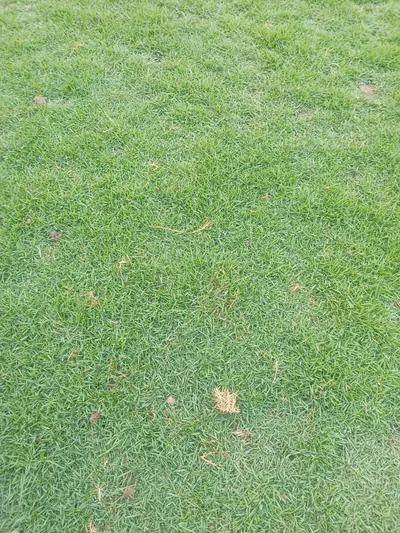
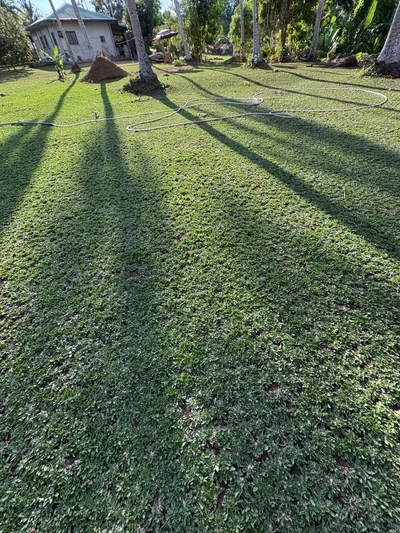
Dark green grass-like evergreen groundcover. Native to the Philippines, salt-tolerant, sun and shade adaptable. The default specification for shaded edges, path borders, mass groundcover, and stepping-stone fill. 10-15 cm plugs at ₱12 each.
Pricing Guide (per clump)
| Size / Spec | Price (PHP) |
|---|---|
| 10-15 cm plug | ₱12 |
Volume Discounts
- 500–2000 plugs:5%
- 2001–5000 plugs:8-10%
- 5001+ plugs:Project-specific pricing
Prices reflect plant only. Coverage planning: 25 plugs per square meter at 20 cm spacing closes within 9 months; 44 plugs per square meter at 15 cm spacing closes within 6 months. At ₱12 per plug, plant material runs ₱300 to ₱530 per square meter. Delivery and installation quoted separately.
Request Project Quote →About Mondo Grass
Ophiopogon japonicus, commonly called Mondo Grass or Dwarf Lilyturf, is a clump-forming evergreen perennial in the Asparagaceae family. Per Plants of the World Online (Royal Botanic Gardens, Kew), the native range spans the Philippines, China, Japan, Korea, Taiwan, and Vietnam,[^1] making this one of the rare PH-native ornamentals widely traded internationally as a landscape groundcover. The plant is specified for shaded path edges, mass groundcover under canopy, fill between stepping stones, and lawn alternative in shade. Highly salt-tolerant per NC State Extension,[^3] which extends its application to coastal landscapes.
Common Applications
- Path and bed edging. Single-row or double-row planting along walkways, driveways, and bed margins for a clean dark green border line.
- Lawn alternative in shaded areas. Mass-planted under canopy, beneath palms, and in shaded courtyards where turfgrass thins out. Tolerates light foot traffic but is not a play-lawn substitute.
- Stepping-stone and paver fill. Planted between flagstones, pavers, and stepping stones for a soft green inset that takes occasional foot pressure without shredding.
- Mass groundcover under trees and shrubs. Filling the under-canopy zone where direct sun is limited and other groundcovers fail to establish.
- Slope stabilization on shaded banks. Stoloniferous mat-forming habit holds soil on shaded slopes and embankments.
- Modern, Japanese-inspired, and minimalist designs. The dark green grass-like character is the basis of the Japanese 'ryū-no-hige' (dragon's beard) aesthetic in temple and tea-garden traditions.
Where You'll See It
- Subdivision common-area path edges and bed borders
- Hotel and resort courtyard groundcover plantings
- Modern formal gardens with stepping-stone or paver work
- Condominium podium gardens and rooftop planters
- Coastal residential gardens leveraging salt tolerance
- Japanese-inspired tea gardens and zen landscapes
Why Architects Choose It
- Native PH species (per POWO): supports biodiversity briefs without ecological risk
- Highly salt-tolerant: extends groundcover specification into coastal landscapes
- Adaptable from full shade through full sun (afternoon shade preferred in PH lowland heat)
- Slow steady spread: holds its line without invasive behavior
- Tolerates yearly mowing if a low turf-look is wanted
- Long horticultural pedigree, the Japanese 'ryū-no-hige' tradition spans centuries
Project Types Best Suited
- Subdivision common-area landscaping
- Hotel and resort courtyard plantings
- Modern formal and Japanese-inspired gardens
- Condominium and rooftop podium gardens
- Coastal residential landscapes
- Path edging and stepping-stone installations
Specifications
- Botanical name
- Ophiopogon japonicus (Thunb.) Ker Gawl.
- Family
- Asparagaceae (formerly Liliaceae and Convallariaceae before APG reclassification)
- Genus
- Ophiopogon
- Native range
- Philippines, China, Japan, Korea, Taiwan, Vietnam
- Status in PH
- Native species (per POWO)
- Habit
- Evergreen sod-forming/clump-forming perennial; spreads by underground stolons with tuberous roots
- Sourced size
- 10-15 cm plug height
- Mature size
- 8-15 cm tall and wide
- Leaves
- Linear, grass-like, dark green, erect-arching, 20-40 cm long, under 6 mm wide
- Flowers
- Small (<1 in), 6-petaled, white to pale lilac on short scapes partially hidden in foliage
- Fruit
- Cobalt-blue berries with a metallic sheen, ~5 mm; often hidden in foliage
- Spread habit
- Rhizomatous and stoloniferous; slow steady mat-former
- Growth rate
- Slow
- Sun
- Full sun to deep shade; afternoon shade preferred in PH lowland heat
- Water
- Moderate; consistent moisture preferred; not waterlogged
- Soil
- Adaptable (clay, loam, sand); slightly acidic and organic-rich preferred
- Drought tolerance
- Moderate once established
- Salt tolerance
- High (per NC State Extension); suitable for coastal landscapes
- Foot traffic
- Light foot traffic tolerated; not a play-lawn substitute
- Hardiness
- USDA 6a-10b (broadly tolerant); PH lowlands are on the warm edge
- Pet safe
- Tubers used in Traditional Chinese Medicine as 'mai men dong'; not on ASPCA toxic list. Treat as ornamental, not edible. Berries may cause mild GI upset if ingested.
- Pool safe
- Yes (clean grass-like character, no significant litter)
Mondo Grass (Ophiopogon japonicus) Supplier
Ophiopogon japonicus, commonly called Mondo Grass or Dwarf Lilyturf, is a clump-forming evergreen perennial that is one of the most reliable groundcover specifications in tropical and temperate gardens worldwide. The species is native to the Philippines alongside China, Japan, Korea, Taiwan, and Vietnam,1 making this a rare case of a PH-native ornamental traded internationally as a landscape staple.
See Mondo Grass in our guides to tropical garden design, low-maintenance gardens, and pool landscaping.
Identity and Names
The plant goes by Mondo Grass, Dwarf Lilyturf, Monkey Grass, and Fountain Plant in international trade. In the Japanese tradition it is ryū-no-hige (“dragon’s beard”), the foundation groundcover of temple and tea garden landscapes for centuries. There is no widely used Filipino vernacular name despite the species being native; PH trade defaults to the English common name.
Important: ID Concern in PH Trade
Many plants sold in PH nurseries as “mondo grass” are actually Liriope species (lilyturf, particularly Liriope muscari and L. spicata), not Ophiopogon japonicus.2 The two genera look superficially similar but differ:
- Ophiopogon japonicus (true mondo grass): narrow leaves ≤6 mm wide, flowers hidden inside foliage on short scapes, cobalt-blue metallic-sheen berries
- Liriope species (often mis-sold as mondo grass): wider leaves typically >6 mm, flower scapes standing above foliage, dark/black berries
For specifications calling for true mondo grass, confirm by binomial name and verify foliage width and flower habit. We supply Ophiopogon japonicus and confirm species identity at delivery.
Native Range and Habitat
Per Plants of the World Online (Royal Botanic Gardens, Kew), Ophiopogon japonicus is native across the Philippines, China (north-central, south-central, southeast), Japan, Korea, Taiwan, and Vietnam.1 The species occurs in the subtropical biome and adapts well to PH lowland climates with afternoon shade.
Form and Foliage
The plant grows as a clump-forming evergreen perennial that spreads slowly via underground stolons with tuberous roots,3 forming dense mats over time. Linear grass-like dark green leaves are 20-40 cm long and ≤6 mm wide.2 Small white-to-pale-lilac 6-petaled flowers appear in summer on short scapes hidden inside the foliage, followed by cobalt-blue metallic-sheen berries.3
The plant grown at 10-15 cm height is the standard landscape stock: full standard form. Dwarf cultivars (‘Nana’, ‘Kyoto Dwarf’, ‘Compactus’) are smaller, available on request for project-specific specifications.
Salt Tolerance and Coastal Placement
NC State Extension lists Ophiopogon japonicus as highly salt-tolerant,2 which is unusual for an ornamental groundcover and extends the specification into beachfront, near-shore, and salt-spray-exposed coastal landscapes. This makes it a stronger coastal alternative to most imported groundcovers that fail in salt exposure.
Density Planning
Coverage rates and budget calculations:
| Spacing | Plugs per m² | Time to closure | Material cost per m² |
|---|---|---|---|
| 15 cm centers | 44 | 6 months | ₱530 |
| 20 cm centers | 25 | 9 months | ₱300 |
| 25 cm centers | 16 | 12+ months | ₱192 |
For commercial and resort projects with timeline pressure, 15 cm centers close fastest. For budget-driven residential, 20-25 cm centers work with patience.
Landscape Use in the Philippines
Common deployments:
- Path and bed edging along walkways and driveways
- Mass groundcover under canopy beneath palms, trees, and large shrubs
- Lawn alternative in shaded areas (light traffic only: not a play lawn)
- Stepping-stone and paver fill between hardscape elements
- Slope stabilization on shaded banks through stoloniferous mat formation
- Modern, Japanese-inspired, and minimalist gardens in the ryū-no-hige tradition
Why Specify Mondo Grass
PH-native species. Native status per POWO supports biodiversity-led briefs and removes the invasive-plant-risk concern that comes with many imported groundcovers.
Highly salt-tolerant. Coastal viability extends placement into beachfront and resort sites where most groundcovers struggle.
Adaptable light tolerance. Full sun to deep shade: wider tolerance than nearly any other landscape groundcover.
Slow steady spread. Mat-forms without invasive behavior; holds its line.
Refined formal character. Dark green grass-like texture works in modern, formal, and traditional designs equally well.
Long horticultural pedigree. The Japanese ryū-no-hige tradition is centuries old; reliable horticultural performance is established.
Care Highlights
- Sun: full shade through full sun; afternoon shade preferred in PH lowland heat
- Water: consistent moisture during establishment; moderate thereafter
- Soil: adaptable; slightly acidic and organic-rich preferred
- Maintenance: very low; annual edging and occasional cleanup
- Pests: generally trouble-free; watch for slug damage in wet conditions
Sources
Footnotes
-
Plants of the World Online (POWO), Royal Botanic Gardens, Kew. “Ophiopogon japonicus (Thunb.) Ker Gawl.” Accessed 2026. https://powo.science.kew.org/taxon/urn:lsid:ipni.org:names:429781-1 ↩ ↩2
-
NC State Extension Plant Toolbox. “Ophiopogon japonicus.” North Carolina State University. Accessed 2026. https://plants.ces.ncsu.edu/plants/ophiopogon-japonicus/ ↩ ↩2 ↩3
-
Wikipedia contributors. “Ophiopogon japonicus.” Wikipedia. Accessed 2026. https://en.wikipedia.org/wiki/Ophiopogon_japonicus ↩ ↩2
We plant and install this
Halamanan supplies and installs Mondo Grass as part of our landscape design and landscape construction projects. We source the plants, place them in the design, and plant them with the rest of the garden.
Sourcing & Supply
Origin
Sourced from Luzon nursery growers producing Ophiopogon japonicus as a long-standing landscape groundcover crop. Plants are propagated by clump division and grown out at uniform height under nursery shade before sale at landscape-stock plug size.
Supplier Relationship
Working relationships with multiple growers; large groundcover orders for commercial and resort projects are coordinated across yards when single-source inventory is short.
Quality Control
Plants delivered as healthy plugs with intact root systems and no foliage browning. Stock is screened for slug damage and fern scale before delivery. We confirm species identity at delivery: the PH trade has long-standing confusion with Liriope species, particularly Liriope muscari and L. spicata, which are sometimes sold as 'mondo grass.'
Frequently Asked Questions
How much does Mondo Grass cost in the Philippines?
Standard plugs at 10-15 cm retail at ₱12 each. Volume discounts apply on large groundcover orders starting at 500 plugs. For coverage planning, 25 plugs per square meter at 20 cm spacing closes within 9 months; 44 plugs per square meter at 15 cm spacing closes within 6 months. At ₱12 per plug, plant material runs ₱300-530 per square meter.
How many plugs do I need per square meter?
Standard spacings: 25 plugs at 20 cm centers (full coverage in 9 months), 44 plugs at 15 cm centers (full coverage in 6 months), or 16 plugs at 25 cm centers (full coverage in 12+ months but lower plant cost). Closer spacing closes faster but increases plant material cost; wider spacing saves on plants but requires patience and weed control during fill-in.
Is Mondo Grass really native to the Philippines?
Yes. Per Plants of the World Online (Royal Botanic Gardens, Kew), the native range of Ophiopogon japonicus includes the Philippines alongside China, Japan, Korea, Taiwan, and Vietnam. The species is overwhelmingly encountered in PH as cultivated landscape stock rather than wild populations, but its native status supports specifications calling for native or non-invasive groundcovers.
Is the plant I am buying really Mondo Grass?
Confirm by binomial. Many plants sold in PH nurseries as 'mondo grass' are actually Liriope species (lilyturf, especially L. muscari and L. spicata). Liriope has wider leaves (often >6 mm), larger flower scapes that stand above the foliage, and dark berries. True Ophiopogon japonicus has narrow leaves (≤6 mm), flowers hidden inside the foliage on short scapes, and cobalt-blue berries. We supply Ophiopogon japonicus and confirm species identity at delivery.
Can Mondo Grass replace lawn?
Yes for low-traffic shaded areas. Mondo Grass tolerates light foot traffic and works as a lawn substitute in shaded courtyards, between stepping stones, and on slopes where mowing is difficult. It cannot tolerate the foot traffic of a play area or sports lawn. For sunny, traffic-tolerant lawn alternatives, native carabao grass remains the standard PH spec.
Does Mondo Grass need sun or shade?
Both work. Highly adaptable per NC State Extension. In PH lowland conditions, afternoon shade is recommended to prevent leaf-tip browning during hot dry season. Full shade, dappled shade, and morning sun are all fine. The plant performs well from deep shade through full sun across the Philippine climate range.
Is Mondo Grass salt-tolerant for coastal placements?
Yes. NC State Extension lists Ophiopogon japonicus as highly salt-tolerant, which is unusual for an ornamental groundcover and extends the specification into coastal landscapes. It performs well at beachfront residential, near-shore resort, and salt-spray-exposed coastal park plantings.
Does it need much maintenance?
Low. Established plantings need annual edging to maintain bed lines, occasional clean-up of any old foliage, and yearly mowing only if a uniformly tight low look is wanted. Slow growth means it does not need regular trimming the way most groundcovers do. Watch for slug damage in wet conditions and fern scale in drier interiors.
Is Black Mondo Grass the same plant?
No. Black Mondo Grass is Ophiopogon planiscapus 'Nigrescens,' a different species in the same genus with near-black foliage. It is rarer, slower-growing, and significantly more expensive than the standard species. We can source Black Mondo on request for project-specific specifications.