Kalachuchi
Plumeria rubra
Also known as: Frangipani, Plumeria, Kalatsutsi, Temple Tree
The fragrant tree every Filipino knows, and the one most refuse to plant. Kalachuchi carries a cemetery reputation that is pure Spanish colonial policy, not folklore: the government ordered fragrant trees planted in graveyards to mask the smell, and the association stuck for 400 years. The tree itself is drought-tolerant, salt-tolerant, sculptural, and perfumes an entire garden at dusk. Its name is Nahuatl, carried here by the Manila Galleon. ₱2,000 to ₱14,000 by size.
Pricing Guide (per tree)
| Size / Spec | Price (PHP) |
|---|---|
| Established (3-5 ft) | ₱2,000–₱3,000 |
| Semi-mature (6-8 ft) | ₱3,500–₱6,000 |
| Mature (10+ ft) | ₱6,500–₱14,000 |
Volume Discounts
- 10+ trees:Volume pricing on avenue and grove planting, quoted per project
Plant material only. Kalachuchi grows slowly and its value is in the branching: a mature specimen represents 8 to 12 years of cultivation and a sculptural form that cannot be rushed, which is what you are paying for at the top of the range. Rare colour forms (deep red, multi-colour, rainbow) command premium pricing within each tier. Delivery and installation are quoted per project. Cuttings root easily, so if you have time rather than budget, that is the cheaper route.
Request Project Quote →About Kalachuchi
If there is one flower every Filipino knows, it is the kalachuchi. The sweet, heavy fragrance drifting from those waxy pinwheel blooms is the smell of childhood for many people, and also, inevitably, the smell of cemeteries. That association runs deep and it keeps a genuinely excellent landscape tree out of gardens where it would thrive. It is worth knowing that the cemetery link is not folklore or superstition: under Spanish colonial rule the government issued circulars requiring fragrant plants in cemeteries, for the entirely practical reason of masking the smell of death. Kalachuchi, with its powerful perfume and its ability to survive on nothing, became the default. Colonial sanitation policy hardened into ghost stories over four centuries. The tree itself is drought-tolerant, salt-tolerant, sculptural even when bare, and one of very few landscape trees that will perfume an entire garden at dusk. Two practical cautions: the milky sap is an irritant, and the plant is toxic to pets, so site it with that in mind.
Common Applications
- Fragrant specimen tree. A single tree as a garden focal point. Few landscape trees can perfume an entire garden; this one can.
- Near patios, windows, and outdoor living. The scent is strongest at dusk and early morning. Plant it upwind of where people sit in the evening.
- Pool surrounds. Minimal litter, non-aggressive roots, and it handles pool splash. The dropped flowers skim off easily.
- Coastal and beach-resort planting. Genuine salt tolerance, so it works on seafront properties where most flowering trees burn.
- Drought-prone and unirrigated sites. Once established it needs essentially no supplemental water. It evolved in seasonally dry forest.
- Container and terrace growing. Adapts well to large pots, which suits terraces and podium decks where ground planting is not possible.
Where You'll See It
- Older subdivisions: BF Homes, Greenhills, Forbes Park
- Cemeteries nationwide, from Manila North to every provincial graveyard
- Beach resorts, where the salt tolerance is the point
- Provincial gardens across the Visayas and Mindanao
- Contemporary tropical-Filipino developments
- Front yards of mid-century houses
Why Architects Choose It
- Fragrance: almost no other landscape tree perfumes a whole garden, and it does it in the evening
- Drought-tolerant: once established it needs almost no supplemental irrigation
- Salt-tolerant: genuinely viable on coastal and beachfront projects
- Sculptural form: thick candelabra branching gives architectural interest even when bare
- Minimal maintenance: no pruning needed to hold form, and effectively no pest problems
- Signals local without an imported-plant premium
Project Types Best Suited
- Premium residential specimen planting
- Beach resort and coastal landscaping
- Fragrant and sensory gardens
- Pool surrounds
- Low-water and unirrigated landscapes
- Contemporary tropical-Filipino developments
Specifications
- Botanical name
- Plumeria rubra L. First described by Linnaeus in Species Plantarum (1753)
- Family
- Apocynaceae, the dogbane family. Its relatives include oleander and adelfa, which is a clue to the sap
- Genus
- Plumeria, named for Charles Plumier, the 17th-century French botanist who documented New World plants
- PH names
- Kalachuchi, Kalatsutsi, Calachuchi. The name is Nahuatl (Aztec), not Spanish or Tagalog
- Native range
- Mexico, Central America, Colombia and Venezuela. Introduced to the Philippines via the Manila Galleon trade
- Status in PH
- Introduced ornamental, naturalised in culture for over 400 years
- Habit
- Small deciduous tree or large shrub with thick, succulent branches in a candelabra pattern
- Height
- 2-8 m (6-25 ft), usually kept smaller in gardens. Spread nearly as wide as tall
- Flowers
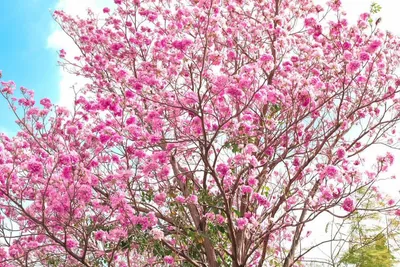
- Five-petalled, waxy, 5-8 cm across, in white, yellow, pink, and deep red. Intensely fragrant, strongest at evening and early morning
- Bloom
- March through November in PH lowlands, heaviest in the dry season (March to May)
- Deciduous
- Yes. Drops most leaves in the cool dry months (December to February) and reflushes with the rains. This is normal, not stress
- Sun
- Full sun, 6+ hours minimum. It will not flower properly in shade and growth goes leggy
- Water
- Low. Highly susceptible to root rot. More kalachuchi die from overwatering than from drought
- Soil
- Adaptable, from sandy to clay, but drainage is the requirement. Standing water kills it
- Salt tolerance
- Good. Suits coastal and beachfront planting
- Sap
- Milky latex, an irritant. It can cause skin irritation and dermatitis in sensitive people. Wear gloves when pruning
- Toxicity
- Toxic to cats and dogs. Iridoid and terpenoid toxins concentrated in the stem bark, plus the irritant sap: mouth irritation, drooling, reduced appetite, vomiting, and diarrhoea. Generally mild. Note the ASPCA has no entry for Plumeria either way, so the authority here is the Animal Poisons Helpline, not the ASPCA
- Pet safe
- No. Toxic and the sap is an irritant, though effects are usually mild and self-limiting
- Pool safe
- Yes. Sheds leaves seasonally and drops flowers, both of which skim off easily. Roots are non-aggressive
- Propagation
- Very easy from stem cuttings, 80-90% success from properly callused cuttings. First blooms 2-3 years from cutting
If there’s one flower that every Filipino knows, it’s the Kalachuchi. The sweet, intoxicating fragrance drifting from those waxy, pinwheel-shaped blooms is the smell of childhood for many, and also, inevitably, the smell of cemeteries. That association runs deep, but there’s far more to this tree than its role as guardian of the dead.
See Kalachuchi in our tropical garden design guide.
Walk through older subdivisions like BF Homes, Greenhills, or the graceful streets of Forbes Park, and you’ll find mature Kalachuchi trees in front yards, their gnarled, succulent branches reaching outward like candelabras. This is a tree that belongs in Filipino gardens. Not because of any cemetery connection, but because it thrives here, asks for little, and rewards with one of the most beautiful fragrances in the plant kingdom.
We supply it at ₱2,000 to ₱14,000, priced on branching structure and years of growth rather than height alone.
Etymology: An Aztec Word in Filipino Gardens
Here’s something most Filipinos don’t know: the word “Kalachuchi” isn’t Spanish, Tagalog, or any native Philippine language. It’s Nahuatl, the language of the Aztecs.1
When the Manila Galleon trade route opened in 1565, ships began making annual voyages between Acapulco and Manila, carrying not just silver and silk but also plants, foods, and words. The Plumeria tree, native to Mexico and Central America, arrived in the Philippines aboard these galleons, and it kept its Nahuatl-derived name.1
This is why “Kalachuchi” sounds nothing like other Filipino plant names. It’s linguistic evidence of the 250-year trade connection between the Philippines and Mexico. Other Nahuatl words that made the same journey include:
- Camote (sweet potato)
- Sayote (chayote)
- Tsokolate (chocolate)
- Tiyangge (market)
The spelling has evolved. You’ll see “Kalatsutsi,” “Calachuchi,” and other variants, but the Aztec root remains.
Why Cemeteries? The Spanish Colonial Connection
The association between Kalachuchi and cemeteries isn’t superstition. It’s sanitation policy.
During Spanish colonial rule, the Superior Government of the Philippines issued circulars requiring the cultivation of fragrant plants in cemeteries. The practical reason was simple: mask the smell of death.2 Kalachuchi, with its powerful perfume and its ability to thrive with zero care, became the default cemetery tree.
Over time, what began as colonial sanitation policy transformed into folklore. The tree became associated with ghosts, spirits, and the afterlife. Similar beliefs exist in Vietnamese and Chinese communities. Many consider it unlucky to plant Kalachuchi near homes because spirits supposedly live in the branches.3
This is unfortunate, because it has kept one of the most beautiful and practical landscape trees out of gardens where it would thrive. The tree did nothing wrong. It was simply the best-smelling thing that would survive in a graveyard.
Worth being straight with clients about, though: the belief is real and widely held. If you are specifying kalachuchi for a residential project, raise it early rather than letting it surface after delivery.
The Honest Bit: Sap and Pets
Two practical cautions, neither of them a dealbreaker, both worth knowing before you plant.
The sap. Kalachuchi is in the Apocynaceae, the dogbane family, whose other members include oleander. Cut a branch and it bleeds a milky latex, and that latex is an irritant. It causes skin irritation and dermatitis in sensitive people. Wear gloves when you prune or take cuttings. This is not exotic advice; anyone who has propagated the tree has got sap on their hands.
Pets. Kalachuchi is toxic to cats and dogs. The iridoid and terpenoid toxins are concentrated in the stem bark, so a pet that chews a stem is considerably more likely to react than one that mouths a leaf or a fallen flower. Signs are mouth irritation, drooling, reduced appetite, vomiting, and diarrhoea. In practice most cases are mild and self-limiting.4
One correction, because it matters for anyone checking our work: the ASPCA has no entry for Plumeria at all, in either its toxic or its non-toxic list. We checked. Sources that cite an “ASPCA plumeria listing” are citing something that does not exist. The toxicity is real and documented, but the authority for it is the Animal Poisons Helpline, not the ASPCA, and we would rather name the right source.4
For a confirmed pet-safe flowering plant, the ASPCA lists Ixora coccinea, our santan, as non-toxic to both dogs and cats.
Botanical Background
Plumeria rubra L. was first described by Carl Linnaeus in his landmark 1753 work Species Plantarum.5 The genus name honours Charles Plumier, a 17th-century French botanist who documented New World plants extensively. The species name rubra (Latin for “red”) refers to the red-flowered varieties, though white and yellow forms are equally common.
- Family: Apocynaceae (the dogbane family, which also includes oleander and alamanda)
- Native range: Mexico, Central America, Colombia, Venezuela5
- Type: Deciduous small tree or large shrub
The English name “Frangipani” comes from a 16th-century Italian marquis who supposedly created a plumeria-scented perfume. In Hawaii, where the flower fills leis, it is simply “Plumeria.”
Key Identifying Features
- Form: small tree with thick, succulent branches in a candelabra pattern
- Height: 2-8 m (6-25 ft), typically kept smaller in gardens
- Spread: nearly as wide as tall; develops a rounded canopy
- Leaves: large, glossy, clustered at branch tips; deciduous in the dry season
- Flowers: 5-petalled, waxy, 5-8 cm across; white, yellow, pink, to deep red
- Fragrance: intensely sweet, strongest in the evening and early morning
- Bark: smooth grey-green; branches exude milky sap when cut
Why Choose Kalachuchi
Incredible fragrance. Few trees can perfume an entire garden. This one can, and it does it in the evening, which is when people are actually outside.
Drought tolerance. Once established, it needs almost no supplemental watering. It evolved in seasonally dry forest and actively prefers to dry out between rains.
Salt tolerance. Handles coastal conditions and salt-laden wind. Genuinely useful on beach properties.
Sculptural form. The thick, forking branches are natural sculpture. Even bare in the dry season, the tree has architectural interest.
Minimal maintenance. No pruning needed to hold its form. Effectively no pest problems. Grows slowly enough that it will not overwhelm a space.
Budget friendly. Unlike premium imported species, it is affordable and widely available.
Growing Requirements
Light
Full sun, minimum 6 hours daily. Kalachuchi will not flower properly in shade, and growth becomes leggy and weak.
Water
Low. Water regularly during establishment (the first year), then reduce significantly. Let the soil dry between waterings. Mature trees need no supplemental irrigation in the dry season.
Critical: Kalachuchi is highly susceptible to root rot from overwatering. More trees die from too much water than too little. This is the single most important thing to get right.
Soil
Adaptable to most Philippine soils, from sandy to clay. The one real requirement is drainage. Standing water will kill it. Slightly acidic to neutral pH is ideal, but it tolerates alkaline conditions.6
Temperature
Thrives in typical lowland conditions (25-35°C). Not suitable for Baguio or mountain elevations where temperatures drop below 10°C; the tree will not flower and may suffer damage.
Dormancy
Kalachuchi is deciduous. During the cool dry months (roughly December to February) leaves drop and the tree goes dormant. This is normal and healthy. Do not try to “save” it with extra water. New leaves and flowers emerge with the rains.
Size & Pricing Guide
Plant material only. Priced on branching structure and years of cultivation, not height alone:
| Grade | Height | Description | Price |
|---|---|---|---|
| Established | 3-5 ft | Branched, may flower | ₱2,000 - ₱3,000 |
| Semi-Mature | 6-8 ft | Full form, flowering | ₱3,500 - ₱6,000 |
| Mature | 10+ ft | Specimen tree | ₱6,500 - ₱14,000 |
Rare colour varieties (deep red, multi-colour, rainbow) command premium pricing within each tier. A mature specimen represents 8 to 12 years of growth and a candelabra form that cannot be rushed, which is what the top of the range actually buys.
Flower Colours
| Colour Type | Description |
|---|---|
| White with yellow centre | Classic “graveyard white,” and the most fragrant |
| Solid yellow | Bright, cheerful, common |
| Pink / rose | Pale blush through to deep rose |
| Red | Deep red to burgundy, less fragrant |
| Multi-colour | Yellow centre fading to pink or red edges |
| Rainbow | Multiple colours on a single flower |
Collectors prize the rare colour forms, and there is an active Plumeria enthusiast community in the Philippines trading cuttings.
Propagation
Kalachuchi is famously easy from cuttings, which is a large part of why it is so affordable and so widespread.
- Take cuttings in the dry season (30-45 cm, pencil-thick or larger). Wear gloves, the sap is an irritant.
- Let dry 1-2 weeks in shade until the cut end calluses over. Do not skip this.
- Plant in sandy, well-draining soil or cactus mix.
- Do not water until new growth appears (2-4 weeks). This feels wrong and it is correct.
- Gradually increase watering as leaves develop.
Success rate: 80-90% for properly dried cuttings. Time to flowering: 2-3 years.
Common Problems
Diseases
- Plumeria rust: orange-yellow powdery spots on leaf undersides. Mostly cosmetic. Remove affected leaves and improve air circulation; fungicide only if severe.6
- Stem rot: from overwatering or poor drainage. Cut back to healthy tissue, improve drainage, reduce watering.
- Black tip: fungal tip dieback. Prune affected areas in the dry season.
Pests
- Mealybugs: white cottony masses. Insecticidal soap or neem oil.
- Spider mites: fine webbing. Increase humidity, spray with water.
- Whiteflies: usually not severe enough to treat.
Rehabilitating the Cemetery Flower
It is time to move past the ghost stories. Kalachuchi earns a place in a modern Philippine garden on the merits:
- Climate appropriate. Unlike imported species, it is adapted to our dry season.
- Water-wise. Increasingly the point, not a footnote.
- Low maintenance. No crew of gardeners required.
- Fragrant. Something almost no modern landscape plant offers.
- Affordable. Accessible at any budget.
- Cultural heritage. A living link to the galleon trade.
Plant it near the bedroom window. Let the evening fragrance drift in. That is what kalachuchi is for: not just guarding the dead, but perfuming the living.
Sources
Interested in Kalachuchi for your garden? Contact us to discuss sizes, colours, and availability.
Footnotes
-
Wikipedia. “Manila galleon” and “Plumeria rubra.” Accessed 2026. https://en.wikipedia.org/wiki/Plumeria_rubra ↩ ↩2
-
National Historical Commission of the Philippines. “Cemeteries of Memories, Where Journey to Eternity Begins.” NHCP. Accessed 2026. https://nhcp.gov.ph/ ↩
-
Stuart Xchange. “Kalatsutsi / Plumeria.” Philippine Medicinal Plants. Accessed 2026. https://www.stuartxchange.org/ ↩
-
Animal Poisons Helpline (Australia and New Zealand). “The Frangipani and My Pet.” Iridoid and terpenoid toxins concentrated in the stem bark, plus an irritant milky sap. Signs: irritation of the mouth, drooling, decreased appetite, vomiting and diarrhoea; generally mild and self-limiting. Note: the ASPCA has no entry for Plumeria in either its toxic or non-toxic list, so this, not the ASPCA, is the authority for the claim. Accessed 2026. https://www.animalpoisons.com.au/news/the-frangipani-and-my-pet/ ↩ ↩2
-
Plants of the World Online / World Checklist of Vascular Plants, Royal Botanic Gardens, Kew. “Plumeria rubra L.” Accepted; family Apocynaceae; native to Mexico, Central America, Colombia and Venezuela. Accessed 2026. https://powo.science.kew.org/taxon/urn:lsid:ipni.org:names:81275-1 ↩ ↩2
-
University of Wisconsin Horticulture. “Plumeria.” Accessed 2026. https://hort.extension.wisc.edu/articles/plumeria/ ↩ ↩2
We plant and install this
Halamanan supplies and installs Kalachuchi as part of our landscape design and landscape construction projects. We source the plants, place them in the design, and plant them with the rest of the garden.
Sourcing & Supply
Origin
Sourced from Luzon growers as branched trees from 3 ft through mature 10 ft+ specimens. Rare colour forms are sourced to order and priced accordingly.
Supplier Relationship
Working relationships with growers carrying the common white and yellow forms year-round. Because the tree propagates so readily from cuttings, small sizes are cheap and abundant; the constraint at the top of the range is time, since a mature candelabra form cannot be produced on demand.
Quality Control
We match on branching structure, not just height. The value of a mature kalachuchi is its candelabra form, and a tall tree with poor branching is a worse buy than a shorter one with good structure. Colour is confirmed against actual flowering stock where possible, because a non-flowering tree will not tell you what colour it is and mislabelling is common.
Frequently Asked Questions
How much does Kalachuchi (Plumeria) cost in the Philippines?
Established trees (3 to 5 ft) run ₱2,000 to ₱3,000. Semi-mature flowering trees (6 to 8 ft) run ₱3,500 to ₱6,000. Mature specimen trees (10 ft and up) run ₱6,500 to ₱14,000. Rare colour varieties (deep red, multi-colour, rainbow) command premium pricing within each tier. You are largely paying for branching structure and years of cultivation, not height alone.
Is Kalachuchi toxic to pets?
Yes, though usually mildly. The iridoid and terpenoid toxins are concentrated in the stem bark, so a pet that chews a stem is more likely to react than one that mouths a leaf or flower. Signs are mouth irritation, drooling, reduced appetite, vomiting, and diarrhoea, and most cases are mild and self-limiting. The milky sap is also a skin irritant, for pets and people alike. Worth knowing: the ASPCA has no entry for Plumeria at all, so anyone citing an 'ASPCA plumeria listing' is citing something that does not exist. The toxicity is documented by the Animal Poisons Helpline, which is the source we use.
Why is Kalachuchi associated with cemeteries?
It is history, not superstition. Under Spanish colonial rule, the Superior Government of the Philippines issued circulars requiring fragrant plants to be cultivated in cemeteries, for the practical purpose of masking the smell of death. Kalachuchi, with its powerful perfume and its ability to thrive on zero care, became the default cemetery tree. Over 400 years that colonial sanitation policy hardened into folklore about ghosts and spirits living in the branches. The tree did nothing wrong.
Is it bad luck to plant Kalachuchi at home?
Only if you believe the folklore, and the folklore is downstream of a Spanish sanitation circular. The belief that spirits inhabit the branches is real and widely held, and similar beliefs exist in Vietnamese and Chinese communities, so it is worth a conversation with the client rather than a surprise. But there is nothing about the tree itself that makes it a cemetery plant, other than the fact that it survives neglect and smells wonderful, which are both good reasons to put it in a garden.
Where does the name Kalachuchi come from?
Nahuatl, the language of the Aztecs. It is not Spanish, not Tagalog, and not from any native Philippine language. The tree came to the Philippines aboard the Manila Galleons, which ran between Acapulco and Manila from 1565, and it kept its Mexican name. The same route brought camote, sayote, tsokolate, and tiyangge. The odd sound of the word is 250 years of Philippine-Mexican trade sitting in plain sight.
When does Kalachuchi flower?
Peak bloom runs March through November in Philippine lowland conditions, with the heaviest flush in the dry season (March to May). Established specimens flower continuously through the warm months. Cool, wet weather from December to February reduces blooming, and the tree drops its leaves around then.
Does Kalachuchi lose its leaves?
Yes, and it is meant to. Plumeria is deciduous in Philippine conditions, dropping most of its leaves during the cool dry months (December to February) before flushing new growth. This is normal and healthy. Do not try to save it with extra water; that is how people kill dormant trees. Resume regular watering once new leaves appear.
How fast does Kalachuchi grow?
Slow to moderate. From a 4 ft specimen, expect 1 to 2 ft of vertical growth per year in Philippine lowland conditions. The slow growth and sculptural branching are exactly why mature specimens command premium prices: an 8 ft tree with good candelabra structure represents 8 to 12 years of cultivation.
Is Kalachuchi pool safe?
Yes. Plumeria sheds leaves seasonally and drops flowers, and both skim easily off the water. Roots are non-aggressive. Plant 2 to 3 m from the pool edge. The fragrant flowers make it a popular pool-area specimen. Note that pool-safe and pet-safe are different questions, and this tree is only the first.
Can I grow Kalachuchi from a cutting?
Yes, famously easily, which is why the tree is so affordable and so widespread. Take a 30 to 45 cm cutting in the dry season, let the cut end callus in shade for 1 to 2 weeks, then plant it in sandy, well-draining soil and do not water it until you see new growth. Success rates run 80 to 90 percent for properly dried cuttings. Expect first blooms in 2 to 3 years.